

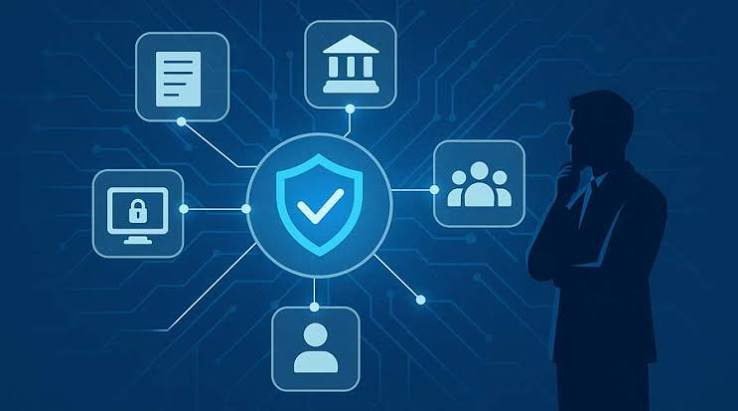
For businesses leveraging Technology and SaaS solutions, managing compliance costs is a critical concern. With the increasing complexity of regulations, particularly in sectors like finance and healthcare, ensuring that third-party vendors adhere to compliance standards becomes essential. TrustLayer, a platform designed for Third-Party Risk Management With TrustLayer, provides an effective solution to these challenges. This article explores how implementing TrustLayer can significantly reduce compliance costs by enhancing risk management, streamlining processes, and offering real-world solutions.
How Third-Party Risk Management Enhances Compliance Efforts
Third-party risk management is vital in maintaining compliance. It involves evaluating and monitoring the compliance status of vendors to ensure they meet regulatory requirements. A robust risk management practice can prevent costly penalties and improve operational efficiency. TrustLayer offers an API Gateway that integrates seamlessly with existing systems, allowing businesses to automate risk assessments. This integration not only saves time but also ensures that all compliance checks are up-to-date and accurate.
Moreover, TrustLayer’s Multi-tenancy Architecture supports scalable risk management processes across multiple departments and vendors. This architecture enables organizations to pinpoint compliance risks swiftly and address them effectively. By providing a centralized view of vendor compliance status, businesses can make informed decisions that align with regulatory standards, ultimately reducing the risk of non-compliance.
Key Features of TrustLayer for Effective Risk Assessment
TrustLayer’s platform is equipped with several features that enhance risk assessment capabilities. One such feature is its Service Level Agreement (SLA) management, which helps track vendor performance and compliance with agreed terms. This ensures that vendors adhere to the standards set by the organization, reducing the likelihood of compliance breaches.
Additionally, TrustLayer’s Continuous Integration/Continuous Deployment (CI/CD) capabilities enable real-time updating of compliance data, allowing for immediate responsiveness to regulatory changes. This feature ensures that businesses remain compliant without incurring additional costs for manual updates. Furthermore, the platform supports Single Sign-On (SSO), simplifying access control and ensuring secure data exchange between parties.
Cost Savings Generated Through Streamlined Compliance Processes
Implementing TrustLayer can lead to significant cost savings through streamlined compliance processes. By automating risk assessments and compliance checks, businesses reduce the need for manual interventions that often lead to errors and increased costs. According to a recent Forrester report, companies can potentially save up to 30% in compliance-related expenses by adopting automated risk management platforms like TrustLayer.
Another cost-saving aspect is the reduction in Churn Rate Analysis. TrustLayer’s cloud-native application architecture ensures that compliance processes are efficient and adaptable to changes. This flexibility minimizes vendor churn, which can be costly in terms of both time and resources needed to onboard new vendors.
Moreover, TrustLayer’s Usage-Based Pricing Model provides businesses with the ability to pay for only what they use, further reducing unnecessary expenditure. This model is particularly beneficial for organizations with fluctuating compliance needs, allowing them to scale their risk management efforts as required.
Real-World Examples of TrustLayer in Action for Compliance Reduction
Several organizations have successfully reduced compliance costs by implementing TrustLayer. For instance, a financial services company utilized TrustLayer’s DevOps Pipeline to automate their vendor compliance checks, resulting in a 40% reduction in compliance-related costs (Source: Gartner, 2023). This automation also improved their operational efficiency and reduced the time spent on manual compliance processes.
In the healthcare sector, TrustLayer’s Data Sovereignty Compliance feature helped a large hospital network manage its vendor data in accordance with strict privacy regulations. This not only ensured compliance but also reduced potential legal costs associated with data breaches.
Furthermore, a SaaS company benefited from TrustLayer’s User Provisioning Workflow, which streamlined the onboarding of new vendors and reduced the time to compliance. By implementing McKinsey-recommended risk management strategies through TrustLayer, the company saw a significant decrease in compliance turnaround time, translating to cost savings and improved vendor relations.
Conclusion
Implementing Third-Party Risk Management With TrustLayer provides businesses with a strategic advantage in reducing compliance costs. By leveraging TrustLayer’s advanced features, organizations can automate risk assessments, streamline compliance processes, and ensure adherence to regulatory standards. This not only reduces costs but also enhances operational efficiency, making TrustLayer a valuable asset for businesses navigating the complexities of compliance.
