

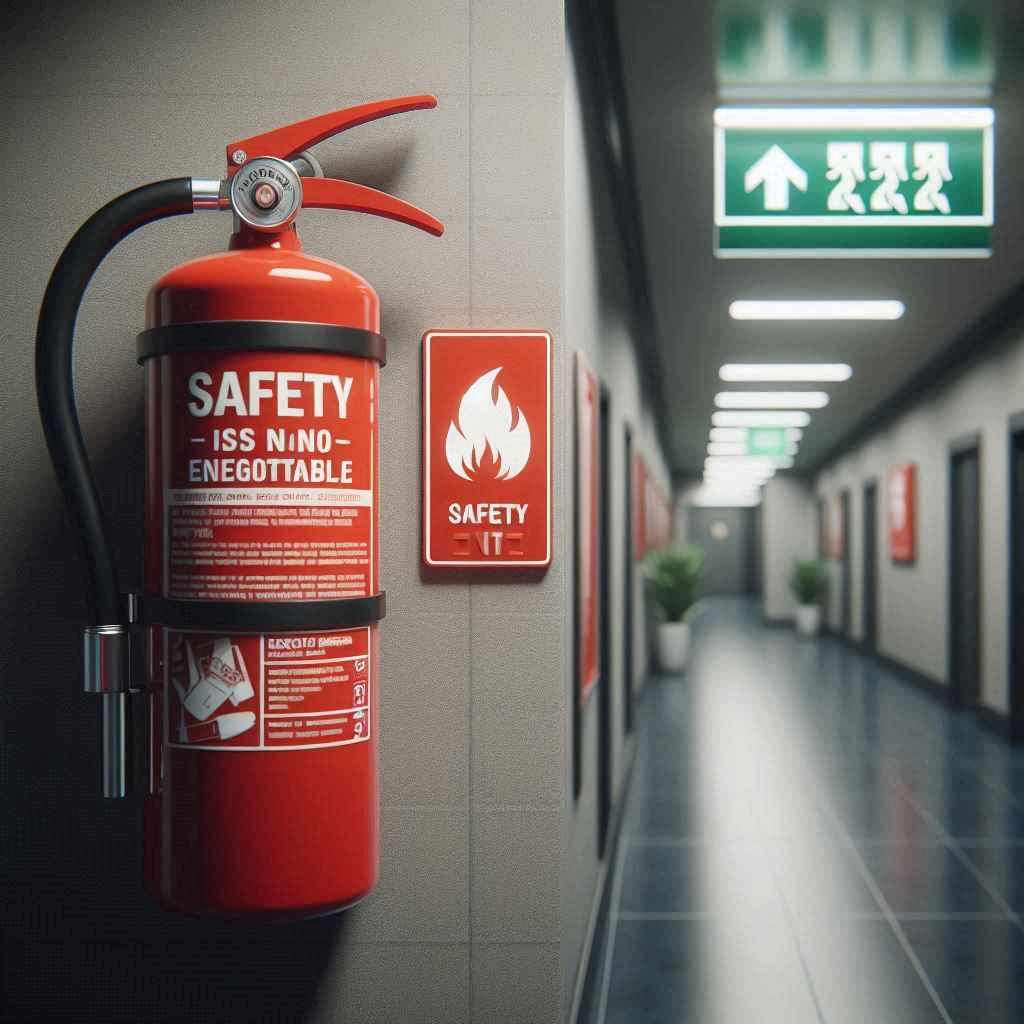
Fire safety is one of the most important parts of office management. Every office, whether small or large, should have proper fire safety equipment to protect employees, visitors, documents, electronics, and property. A fire can start suddenly due to electrical faults, overheating devices, kitchen appliances, careless smoking, or poor wiring. With the right fire safety equipment for office use, the risk of serious damage and injuries can be reduced.
Office fire safety is not only about keeping equipment in the building. It also includes proper placement, regular inspection, staff training, and emergency planning. When employees know what to do during a fire emergency, they can respond quickly and safely.
What Is Fire Safety Equipment?
Fire safety equipment refers to tools and devices used to detect, control, prevent, or respond to fire emergencies. In an office, this equipment helps alert people, control small fires, guide safe evacuation, and provide emergency support.
Common fire safety equipment for offices includes fire extinguishers, smoke detectors, fire alarms, emergency lights, fire blankets, exit signs, sprinkler systems, and first aid kits. Each item has a specific purpose and should be installed according to the office layout and risk level.
Why Fire Safety Equipment Is Important in Offices
Fire safety equipment is important because offices contain many fire risks. Electrical wiring, computers, printers, air conditioners, extension boards, paper files, furniture, and kitchen equipment can become fire hazards if not managed properly.
Proper fire safety equipment helps detect fire early and gives employees enough time to evacuate. Fire extinguishers and fire blankets can help control small fires before they spread. Emergency lights and exit signs guide people safely during smoke, darkness, or panic.
A fire-safe office also creates confidence among employees. When workers know that safety systems are available, they feel more secure. For business owners, fire safety reduces property loss, downtime, legal problems, and financial damage.
Essential Fire Safety Equipment for Office Use
1. Fire Extinguishers
Fire extinguishers are one of the most important fire safety tools in any office. They are used to control small fires before they become dangerous. Offices should have the correct type of extinguisher based on possible fire risks.
For electrical fires, a CO2 fire extinguisher is commonly used. For paper, wood, and general office material fires, a water or foam extinguisher may be suitable. Fire extinguishers should be placed in visible and easy-to-access areas, such as near exits, corridors, server rooms, and kitchens.
2. Smoke Detectors
Smoke detectors help identify smoke at an early stage. They give warning before fire spreads, allowing employees to respond quickly. Smoke detectors are especially useful in cabins, meeting rooms, storage areas, corridors, and server rooms.
These devices should be tested regularly to ensure they are working properly. Batteries should be replaced when needed, and faulty detectors should be repaired or changed immediately.
3. Fire Alarm System
A fire alarm system alerts everyone in the office during a fire emergency. It may include manual call points, alarm bells, sirens, and control panels. Once activated, the alarm gives employees a clear signal to leave the building safely.
Large offices, multi-floor buildings, and commercial spaces should have a proper fire alarm system installed. Employees should also understand the alarm sound and know the evacuation procedure.
4. Emergency Exit Signs
Emergency exit signs guide people toward safe exits during a fire. In an emergency, people may panic or become confused, especially if there is smoke or low visibility. Clear exit signs help everyone find the nearest escape route.
Exit signs should be bright, visible, and placed above doors, staircases, corridors, and emergency routes. They should not be blocked by furniture, decorations, or storage items.
5. Emergency Lighting
During a fire, electricity may fail, making it difficult to see the way out. Emergency lighting helps employees move safely through corridors, staircases, and exits.
Emergency lights should be installed in key areas such as hallways, exit routes, stairwells, reception areas, and assembly points. They should be checked regularly to make sure they work during power failure.
6. Fire Blanket
A fire blanket is useful for controlling small fires, especially in office kitchens or pantry areas. It can be used to cover small flames and cut off the oxygen supply.
Fire blankets are simple to use and are helpful near microwaves, cooking areas, and electrical appliances. They should be mounted where employees can access them quickly.
7. Sprinkler System
A sprinkler system automatically releases water when heat from a fire is detected. It helps control fire before it spreads to other parts of the office.
Sprinkler systems are especially important in large offices, commercial buildings, storage areas, and workplaces with high fire risk. Regular maintenance is necessary to keep the system ready for emergencies.
8. Fire Hose Reel
A fire hose reel provides a steady water supply to control certain types of fires. It is often installed in larger office buildings, commercial complexes, and industrial office spaces.
Employees should not use a fire hose reel unless they are trained and it is safe to do so. In many cases, evacuation should be the first priority.
9. First Aid Kit
A first aid kit is important for handling minor injuries during a fire emergency, such as burns, cuts, or breathing discomfort caused by smoke. It should be placed in a visible and accessible location.
The kit should include bandages, antiseptic wipes, burn dressings, gloves, scissors, and emergency contact numbers. It should be checked regularly and restocked when items are used or expired.
10. Fire Safety Signage
Fire safety signage provides important instructions and warnings. These signs show fire extinguisher locations, emergency exits, assembly points, fire alarm points, and “Do Not Use Lift” messages.
Clear signage helps employees and visitors understand what to do during an emergency. Signs should be easy to read and placed at the correct height.
Fire Safety Tips for Office Employees
Office employees should know the basic fire safety rules. They should not overload electrical sockets, block emergency exits, or store flammable items near heat sources. Extension boards should be used carefully, and damaged wires should be reported immediately.
Employees should also attend fire drills and training sessions. They should know where extinguishers, exits, alarms, and assembly points are located. During a fire, everyone should stay calm, avoid elevators, and follow the emergency evacuation plan.
How to Maintain Office Fire Safety Equipment
Fire safety equipment should be inspected regularly. Fire extinguishers must be checked for pressure, expiry date, and physical damage. Smoke detectors and alarms should be tested to make sure they are working. Emergency lights should be checked during power failure tests.
Office management should keep a maintenance record for all fire safety equipment. This helps ensure that every device is ready when needed. Any damaged or expired equipment should be replaced immediately.
Conclusion
Fire safety equipment for office use is essential for protecting employees, visitors, property, and business operations. Equipment such as fire extinguishers, smoke detectors, alarms, emergency lights, exit signs, fire blankets, sprinkler systems, and first aid kits can save lives during emergencies.
Every office should take fire safety seriously. Installing the right equipment, training employees, keeping exits clear, and maintaining safety tools regularly can reduce fire risks and create a safer workplace. A fire-safe office is a responsible, professional, and secure working environment.
FAQs
What fire safety equipment is needed in an office?
An office should have fire extinguishers, smoke detectors, fire alarms, emergency lights, exit signs, fire blankets, first aid kits, and fire safety signage.
Which fire extinguisher is best for office use?
CO2 fire extinguishers are commonly used for electrical fires, while water or foam extinguishers may be used for paper, wood, and general office materials.
Why are smoke detectors important in offices?
Smoke detectors give early warning when smoke is detected, allowing employees to evacuate before the fire spreads.
Where should fire extinguishers be placed in an office?
Fire extinguishers should be placed near exits, corridors, kitchens, server rooms, and other visible, easy-to-access areas.
How often should office fire safety equipment be checked?
Office fire safety equipment should be inspected regularly. Fire extinguishers, alarms, smoke detectors, and emergency lights should be checked according to safety requirements and maintenance schedules.
