

Clerical robes are not mere ceremonial attire; they represent divine power, commitment, and thousands of years of Christian tradition. These robes distinguish the clergy from the congregation during worship, special ceremonies, and liturgical services and signify humility, purity, and devotion to ministry.
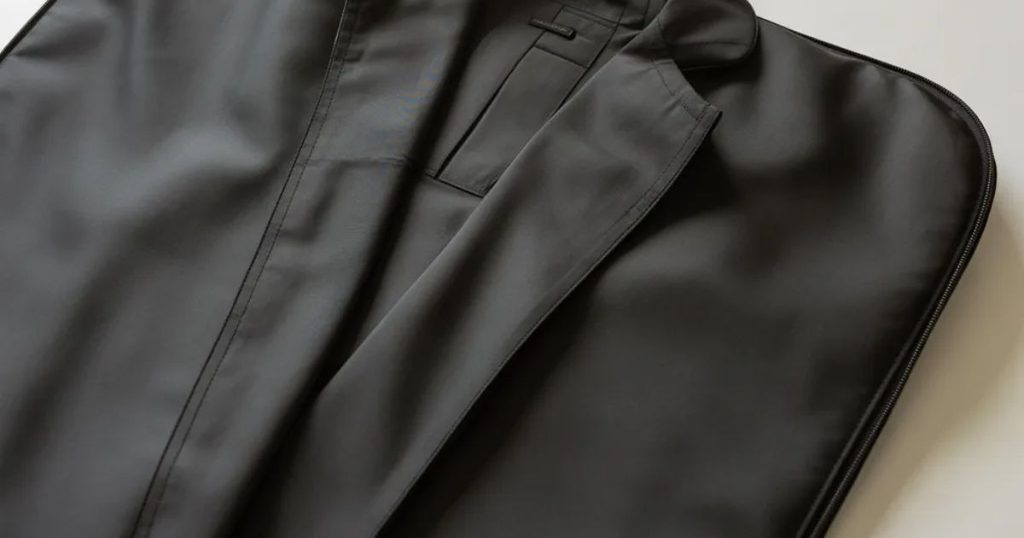
Clerical robes need proper care and storage to ensure quality. Specialised accessories like Van Poulles Clergy Travel Cover are used by many clergy to safely transport robes to their destination without creasing or damage.
What Are Clerical Robes?
Clerical robes are customary clothes used by politicians, ministers, bishops, and other church officials during services. They assist in sustaining the solemnity and organised ambience of worship and also visually reflect the wearer’s role and duties.
Historical Origins of Clerical Robes
The robes of the clergy have been developed throughout centuries. First of all, clergymen wore clothing resembling common Roman clothing. Over time, characteristic vestments emerged to symbolise church power and liturgical use.
By the medieval times, robes and ceremonial clothes were more embellished with symbolic colours and intricate patterns that reflected spiritual and hierarchical value. The history of clerical robes has been preserved in modern times through convenient designs suitable for everyday use.
Common Types of Clerical Robes
There are several kinds of robes available to clergy, which are each used to perform a particular liturgical role:
- Cassock: This long, fitted robe is worn to the ankles and is worn by priests and ministers.
- Alb: This white robe is worn as a symbol of purity and is often worn over other vestments.
- Surplice: A loose white garment worn over the cassock during ceremonies and choir services.
- Dalmatic: A wide-sleeved tunic worn by deacons during worship services.
- Rochet: A white vestment worn by bishops on ceremonial duty.
All types of robes help create the well-dressed, serious look required during church services.
Symbolism Behind Clerical Robes
Clerical robes have a strong symbolism.
- White robes are a symbol of purity, holiness, and baptism.
- Red is a sign of sacrifice and martyr’s blood.
- Purple is a colour of reflectiveness, remorse, and seasons such as Lent and Advent.
- Green refers to normal seasons and religious development.
The combination of these colours with the design of the robes conveys theological meaning to the congregation.
Materials and Comfort
The classic clothing worn by clergy is made of natural fabrics like linen, cotton, and wool, which are also comfortable, durable, and breathable. If it is a lighter robe, such as an alb, linen is preferred, whereas cassocks are worn in cooler temperatures in wool or mixed blends. The new robes can also include artificial fibre to provide extra durability, improved cleaning, and reduced wrinkling.
Storage and Travel for Clerical Robes
Robes need to be stored and transported properly to remain in excellent condition. Clergy are often moved about in their work between churches, chapels, and ceremonial affairs, so protective solutions are needed.
What could be better is the Van Poulles Clergy Travel Cover:
- Extra-long to accommodate long robes.
- Bendable to carry around.
- Durable zipper closure
- Front pocket (25×30 cm) of accessories.
- Powerful handles to be easily transported.
- Dimensions: 165×60 cm on average.
This cover keeps robes tidy, wrinkle- free and in service.
Caring for Clerical Robes
By keeping clerical robes, you prolong their life cycle and save face:
- Keep breathable garments in breathable garment bags to prevent creases.
- Wash according to the fabric.
- Keep in dry and well-ventilated places.
- Prolonged folding or compression should be avoided.
Properly cared for, robes can be used for several years, retaining their dignity and ceremonial importance.
Choosing the Right Clerical Robes
In choosing robes, take into account:
- Denomination and liturgical demands.
- Seasonal colours and ceremonies.
- Fabric quality and comfort
- Governmental frequency-of-use and travel requirements.
An elegant robe is a good blend of tradition, functionality, and aesthetic appeal.
Conclusion
Clerical robes are still an essential element of church culture, which helps to tie the present-day ministry to the centuries of liturgical history. They convey power, modesty, and devotion to God. These garments can be used effectively in ministry, and their symbolism can remain even after proper selection, good care, and the use of useful accessories such as the Van Poulles Clergy Travel Cover.
