

Penalty kicks are rarely distributed evenly across a domestic football campaign. In France’s 2013/2014 Ligue 1 season, the disparity between sides that consistently earned decisions from twelve yards and those that routinely conceded them mirrored broader structural traits, from offensive box occupancy to defensive desperation under sustained pressure. Examining these spot-kick patterns reveals how tactical identity, refereeing thresholds, and territorial dominance manifested in decisive dead-ball moments across thirty-eight matchdays.
The Structural Link Between Box Incursions and Penalties Awarded
A team cannot win penalties without consistently forcing opposing defenders into compromised physical positions inside the eighteen-yard box. During the 2013/2014 campaign, sides that committed heavy numbers forward and relied on technical dribblers naturally inflated their spot-kick volume. When defenders are forced to challenge laterally or recover against forwards with superior acceleration, mistimed tackles become an inevitability rather than an anomaly.
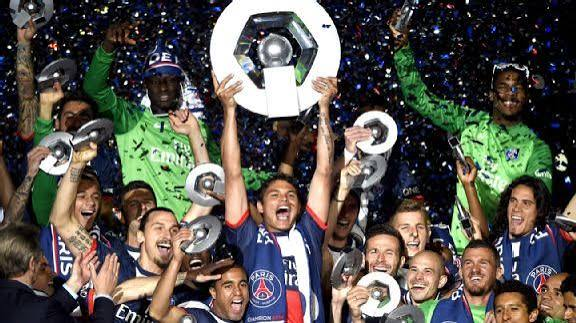
Paris Saint-Germain and AS Monaco served as primary examples of this territorial reality. Dominating possession figures and camping in the attacking third forced low-block defenses into frantic interventions, raising the statistical probability of fouls occurring in the penalty area rather than in deeper, less dangerous midfield zones.
High-Volume Beneficiaries: Clubs Leading the Spot-Kick Table
The teams at the top of the penalty-won column combined sustained attacking pressure with individual isolation play. Zlatan Ibrahimović and Edinson Cavani generated immense central congestion for Paris Saint-Germain, drawing fouls through physical mismatches and rapid one-touch combinations. Similarly, clubs like Toulouse and Lyon utilized direct running from wide areas to manipulate defenders into late challenges as crossing lanes were cut off.
When evaluating match outcomes from a data-driven betting viewpoint, spot-kick trends highlight how attacking styles influence match variance over a long schedule. Tracking whether an offense creates dangerous touches inside the box helps analysts separate genuine offensive potency from fortunate refereeing calls, a dynamic frequently scrutinized when reviewing historical match data via a dedicated sports betting service like แทงบอล to determine the sustainability of a team’s goal-scoring form over full campaigns.
Defensive Fragility and the Mechanics of Conceding from the Spot
Conceding a high volume of spot-kicks is typically symptomatic of deeper structural failure rather than bad luck. Teams fighting relegation or operating with uncoordinated backlines frequently found themselves trailing the play, leading to sliding tackles from behind or desperate handballs as shots were blocked at close range.
Positional Breakdown of Defensive Errors
- Central Overload Collapses: Center-backs beaten by vertical passing lanes often committed holding fouls against forwards turning toward goal.
- Full-Back Recovery Failures: Wide defenders lacking recovery pace were consistently caught wrong-side during one-on-one counter-attacks.
- Set-Piece Panic: Desperate wrestling during corner routines resulted in unforced spot-kicks against teams with poor zonal communication.
These technical deficiencies consistently punished clubs like Ajaccio and Sochaux throughout the 2013/2014 calendar. When a squad regularly loses individual duels in open play, the psychological pressure mounts, directly accelerating the rate of panicked tackles within their own box and destroying any chance of maintaining defensive stability.
Quantifying the 2013/2014 French Top Flight Spot-Kick Disparity
Evaluating the exact distribution of awarded and conceded penalties provides a clear picture of how individual club approaches influenced match events. The table below illustrates the divergence in spot-kick involvement across various competitive tiers of the league that season.
| Club Profile | Avg. Possession (%) | Penalties Won | Penalties Conceded | Net Differential |
| Dominant Contenders (e.g., PSG, Monaco) | 58.5% – 63.5% | 9 – 11 | 2 – 4 | +7 to +8 |
| Mid-Table Disruptors (e.g., Toulouse, Lyon) | 48.0% – 52.0% | 6 – 8 | 5 – 6 | +1 to +2 |
| Relegation Strugglers (e.g., Ajaccio, Valenciennes) | 42.0% – 46.0% | 2 – 4 | 8 – 11 | -6 to -8 |
This numerical distribution illustrates a stark relationship between game control and penalty differential. Clubs that controlled territory rarely exposed their central defenders to isolated transition moments, keeping conceded penalties to a minimum while steadily compiling opportunities at the opposite end of the pitch over thirty-eight rounds.
The Impact of Individual Dribbling Metrics on Whistle Frequency
Tactical systems dictate territory, but individual player characteristics ultimately trigger the referee’s whistle. Players with rapid acceleration from a static position create high-risk scenarios for defenders who have already committed their weight in one direction. Ligue 1 in 2013/2014 featured several dynamic dribblers who specialized in drawing contact precisely as they crossed the penalty line.
Defenders facing these agile attackers were caught between two losing strategies: standing off and allowing an uncontested shot, or stepping in aggressively and risking immediate foul contact. This micro-level dynamic explains why mid-tier teams with exceptional individual wingers occasionally matched the penalty-won totals of the league’s dominant title contenders.
Systematic Overreliance on Penalties as a Goal Source
Relying on penalties to maintain an acceptable scoring rate is an inherently fragile tactical situation. Because referee decisions carry an element of subjective interpretation and match-to-match variance, teams whose underlying open-play metrics were poor inevitably suffered sharp regression once the frequency of spot-kicks normalized.
When tactical models prioritize external match factors over repeatable scoring mechanisms, their long-term predictive value declines significantly. In probability assessments where pure randomness overlaps with calculated player behavior—similar to strategic choices made in a casino online environment—distinguishing between repeatable process and short-term variance is critical to understanding true underlying performance metrics over time.
Summary
The penalty trends of the 2013/2014 Ligue 1 season demonstrated that spot-kicks are heavily tied to sustained territorial dominance and defensive competence rather than sheer coincidence. Title-challenging sides maximized their penalties won by relentlessly applying pressure inside the eighteen-yard box, while struggling sides conceded high volumes due to physical mismatches and disorganized recovery defending. Recognizing that penalties serve as a downstream effect of spatial control and individual isolation battles clarifies why the net spot-kick differential remained heavily skewed toward the top of the table throughout the entire campaign.
