

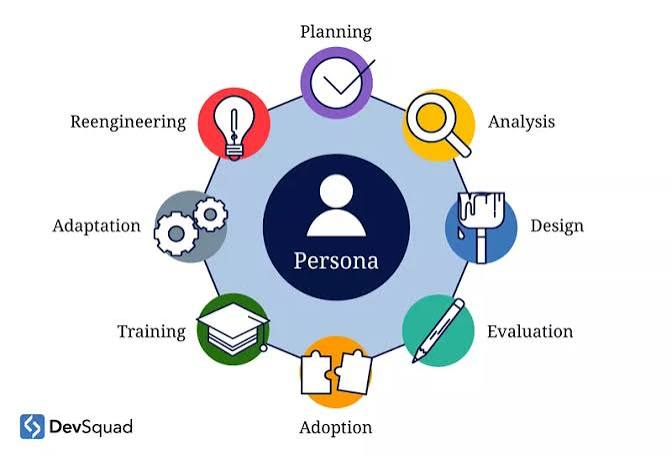
In today’s rapidly evolving digital world, platforms are no longer judged only by their technical capabilities or visual appearance. Their success depends on how effectively they understand, support, and respond to the needs of their users. A user-centered digital platform focuses on creating meaningful experiences by prioritizing convenience, accessibility, trust, and satisfaction. Modern platforms across industries continue to improve their user experiences, whether they provide entertainment, services, communication, or information. For example, users often explore different online solutions such as bro138 alternatif while looking for platforms that provide simple navigation and a smooth digital experience. Understanding user-centered design principles helps businesses create platforms that are not only functional but also valuable and engaging for their audiences.
What Are User-Centered Digital Platforms?
A user-centered digital platform is an online environment designed around the expectations, behaviors, and challenges of its users. Instead of developing technology based only on business goals, these platforms consider how real people interact with digital systems. Every feature, interface element, and service process is created with the user’s perspective in mind.
Traditional digital development often focused on adding more features and improving technical performance. However, modern users expect more than functionality. They want platforms that are easy to understand, personalized, secure, and accessible from different devices. A user-centered platform combines technology with human understanding to deliver experiences that feel natural and efficient.
Examples of user-centered platforms include e-commerce websites that recommend products based on customer preferences, banking applications that simplify financial management, and educational platforms that adapt to different learning styles. The common element among these platforms is their ability to place users at the center of decision-making.
The Importance of User Experience in Digital Platforms
User experience plays a major role in determining whether a digital platform succeeds or fails. A platform may have advanced technology, but if users find it confusing or difficult to navigate, they are unlikely to continue using it.
A strong user experience creates a connection between users and digital services. When people can easily complete tasks, find information quickly, and interact with a platform without frustration, they develop confidence and loyalty. This positive experience encourages repeated engagement and improves overall satisfaction.
Businesses that invest in user experience also gain valuable advantages. Happy users are more likely to recommend a platform, leave positive feedback, and maintain long-term relationships with a brand. In competitive digital markets, user experience has become one of the most important factors separating successful platforms from unsuccessful ones.
Key Principles of User-Centered Design
Creating a user-centered digital platform requires following several important design principles. These principles help developers and designers create systems that meet real user expectations.
Understanding User Needs
The foundation of user-centered design is understanding the people who will use the platform. This involves researching user behaviors, preferences, goals, and challenges. Businesses can collect information through surveys, interviews, feedback systems, and user testing.
By understanding users, designers can identify common problems and create solutions that address actual needs rather than assumptions. A platform designed without user research may include unnecessary features or fail to solve important problems.
Simplicity and Ease of Use
A successful digital platform should be simple and intuitive. Users should not need extensive instructions to understand how a platform works. Clear navigation, organized information, and straightforward processes make digital interactions more enjoyable.
Simplicity does not mean removing valuable features. Instead, it means presenting features in a way that allows users to access them without confusion. Good design reduces complexity and helps users achieve their goals efficiently.
Accessibility for Everyone
Accessibility is a critical part of user-centered digital platforms. A truly inclusive platform considers users with different abilities, devices, and technical experiences.
Designers should consider features such as readable text, clear color contrast, keyboard navigation, and compatibility with assistive technologies. Accessibility ensures that more people can benefit from digital services and creates a more inclusive online environment.
Personalization and Adaptability
Modern users appreciate platforms that understand their individual preferences. Personalization allows digital systems to provide relevant recommendations, customized settings, and experiences based on user behavior.
For example, streaming services suggest content based on viewing history, while shopping platforms recommend products according to previous searches. These personalized experiences make users feel understood and increase engagement.
The Role of User Feedback
User feedback is one of the most valuable resources for improving digital platforms. A user-centered approach does not end after a platform is launched. Continuous improvement is necessary to keep up with changing expectations.
Feedback helps businesses identify problems, discover new opportunities, and understand user satisfaction levels. Reviews, ratings, support requests, and usability tests provide important insights into how people interact with a platform.
Successful platforms treat feedback as a learning opportunity. Instead of ignoring criticism, they use it to improve design, fix issues, and create better experiences. This ongoing relationship between users and developers helps platforms remain relevant over time.
Technology Supporting User-Centered Platforms
Advanced technologies have made it easier to build personalized and efficient digital platforms. Artificial intelligence, data analytics, automation, and machine learning allow platforms to understand user behavior and provide smarter experiences.
Artificial intelligence can help predict user preferences, automate customer support, and improve search functions. Data analytics allows organizations to study user interactions and identify areas for improvement. Automation reduces unnecessary steps and helps users complete tasks faster.
However, technology should always serve human needs rather than replace human understanding. A platform with advanced features is not necessarily user-centered unless those features improve the overall experience.
Building Trust Through Digital Experiences
Trust is an essential element of any successful digital platform. Users need confidence that their information is protected and that the platform will provide reliable services.
Security measures, transparent policies, and consistent performance help build trust. When users feel safe, they are more likely to engage with a platform and share information that improves personalization.
A user-centered platform communicates clearly with its audience. Whether explaining privacy options, service changes, or technical issues, transparency creates stronger relationships between users and digital providers.
Challenges in Creating User-Centered Platforms
Although user-centered design offers many benefits, creating effective platforms can be challenging. One major challenge is balancing user expectations with business objectives. Companies must create experiences that satisfy users while also achieving organizational goals.
Another challenge is adapting to changing user behaviors. Digital trends evolve quickly, and platforms must continuously update their designs and features. What works today may not meet user expectations in the future.
Maintaining simplicity while offering advanced functionality is also difficult. Users want powerful tools, but they do not want complicated experiences. Finding the right balance requires careful research, testing, and improvement.
The Future of User-Centered Digital Platforms
The future of digital platforms will continue to focus on personalization, accessibility, and human-centered innovation. As technology advances, users will expect platforms to become more intelligent, responsive, and convenient.
Emerging technologies such as artificial intelligence, voice interfaces, and predictive systems will create new possibilities for user experiences. However, the most successful platforms will be those that combine innovation with a deep understanding of human needs.
Future digital platforms will likely move beyond simple interactions and create more personalized environments where technology naturally supports users’ goals. Businesses that prioritize user-centered approaches will be better positioned to build lasting relationships with their audiences.
Conclusion
User-centered digital platforms represent a shift from technology-focused development to human-focused innovation. By understanding user needs, simplifying experiences, improving accessibility, and using feedback effectively, organizations can create platforms that provide real value.
A successful digital platform is not defined only by its features or technical strength. Its true success comes from how easily and effectively it helps users achieve their goals. As digital experiences continue to shape everyday life, user-centered design will remain a fundamental approach for creating platforms that are useful, trusted, and meaningful.
