

Hands On Discovery Shapes Montessori Preschool Las Vegas
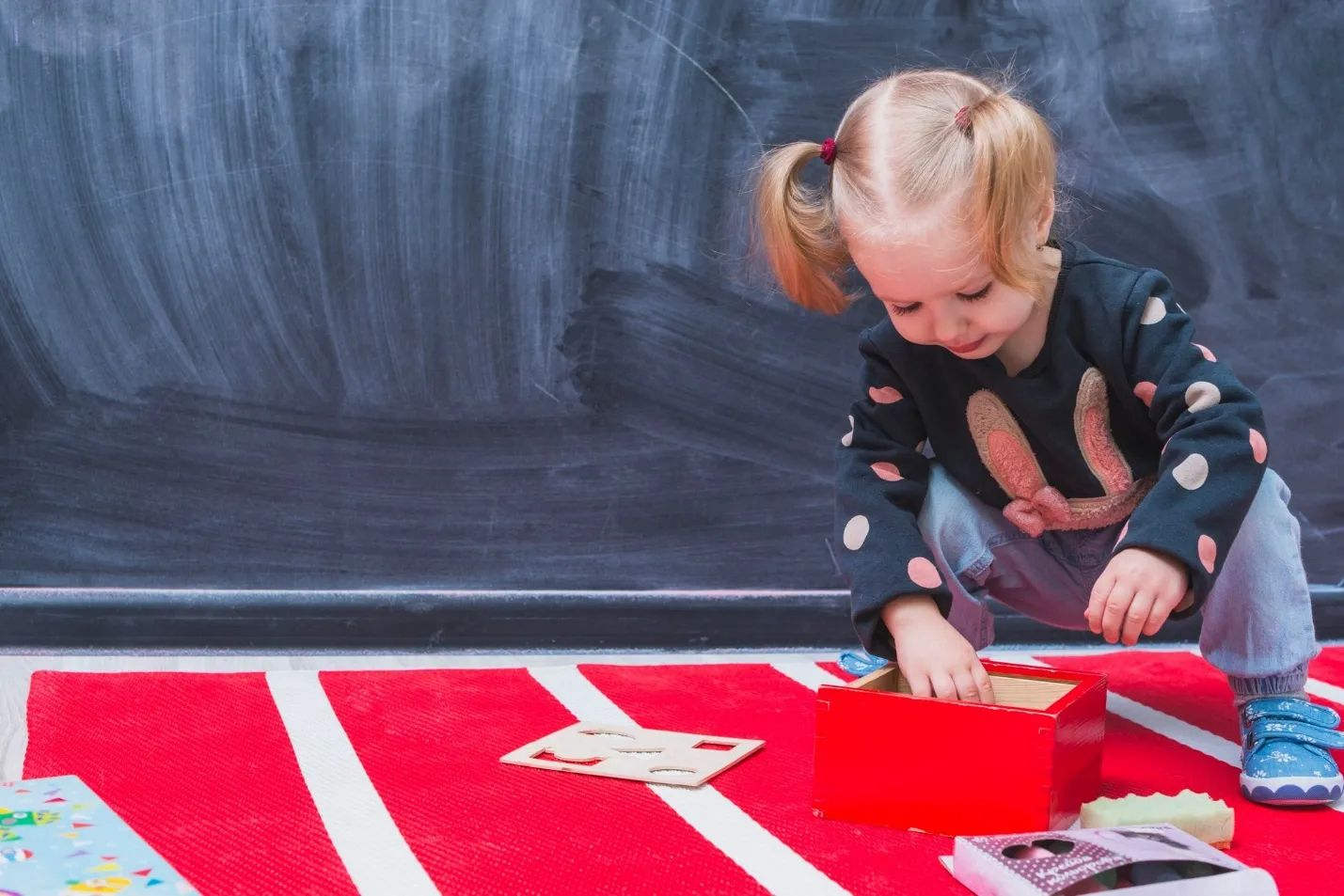
Children are natural explorers. By the way, no person teaches them that. They arrive that way. Give a child a handful of pebbles and suddenly a grand investigation begins. Which one is smoothest? Which one sinks? Questions appear from nowhere. Early childhood education works best when it honours this instinct. Young learners need freedom to touch sort build and wonder. Sitting still all day rarely matches how children actually learn. They learn by doing. Sometimes by making a mess too. The early discoveries count because they form not only information, but also loyal interest and sustained dating with the study.
Curious Hands Build Knowledge
Children learn ideas extra deeply when they can enjoy them all at once. Families trying to find Montessori Preschool Las Vegas often find environments where learning feels energetic as opposed to passive. Children choose materials explore concepts and repeat activities until understanding develops naturally. Nobody rushes them. That matters. A child arranging objects or pouring water repeatedly is learning far more than it may appear. Concentration grows. Independence develops. Confidence quietly follows. These experiences encourage young people to think for themselves and realise that expertise is something they can actively control instead of acquiring it sincerely.
Freedom Inspires Daily Growth
Children thrive when they have meaningful choices. One child may spend an hour exploring letters while another becomes completely fascinated by counting objects. Childhood can be wonderfully unpredictable. Educational environments that respect these differences often see remarkable engagement. Children remain focused because activities connect with personal interests. Growth unfolds at different speeds for everyone. Some children leap forward quickly. Others move steadily and thoughtfully. Neither approach is wrong. When children feel respected, they participate more willingly. They begin taking ownership of learning and discover satisfaction in solving problems independently.
Peaceful Spaces Encourage Focus
The environment shapes behaviour more than many adults realise. Walk into a calm classroom and children often respond in kind. Thoughtfully prepared spaces create a sense of order without feeling restrictive. Materials remain accessible. Expectations stay clear. Children know where things belong and gradually manage tasks independently. This predictability provides reassurance. It also reduces unnecessary distractions. Young learners become more comfortable concentrating for longer periods. Small successes appear throughout the day. A completed activity. A solved challenge. These moments strengthen confidence and encourage children to persist when new difficulties arise.
World Cultures Enrich Perspectives
Children notice differences naturally. They ask honest questions about languages celebrations and traditions. Educational environments should welcome this curiosity. Families interested in Multicultural Education Las Vegas often value opportunities for children to explore diverse cultures from an early age. Stories music celebrations and everyday conversations introduce fresh perspectives. Children begin recognising both differences and shared experiences. These discoveries foster and value empathy. Exposure to many cultures also broadens the expertise of a broad international perspective. Young innovators are expanding openness, which continues to shape relationships and attitudes in almost all walks of life.
Nature Sparks Endless Questions
Step outside with children and curiosity immediately awakens. Suddenly everything becomes interesting. Ants crossing a path. Leaves are changing colour. Clouds are moving overhead. Nature offers endless opportunities for discovery. Children observe compare and investigate without even realizing they are learning. Outdoor experiences encourage scientific thinking in remarkably natural ways. Questions emerge constantly. Sometimes more questions than answers. That is perfectly fine. Exploration matters more. Nature-based experiences also support physical wellbeing and emotional balance. Children often return indoors calmer more focused and eager to share discoveries.
Families Deepen Learning Journeys
It does not stop children from learning anymore if they drop out of school. It’s sometimes having conversations over dinner and memories over bedtime. Families play an important role in extending educational stories beyond the classroom. Parents observe antics that educators may not see. Educators observe strengths that families might overlook. Together they create a richer understanding of each child. Children benefit enormously from this partnership. They feel supported from every direction. Shared experiences at home reinforce classroom discoveries and strengthen confidence. Learning gradually becomes part of everyday life rather than something limited to school hours.
Conclusion
Hands-on learning encourages young people to emerge as energetic, curious and confident innovators. Supportive teaching environments provide opportunities for exploration while promoting independence and creativity. Children flourish when they are conditioned to analyze ideas through meaningful review. Families interested in enriching educational opportunities can attend ncaus.education and explore programs designed to encourage discovery and build strong foundations for lifelong learning and personal growth.
Children are natural explorers. By the way, no person teaches them that. They arrive that way. Give a child a handful of pebbles and suddenly a grand investigation begins. Which one is smoothest? Which one sinks? Questions appear from nowhere. Early childhood education works best when it honours this instinct. Young learners need freedom to touch sort build and wonder. Sitting still all day rarely matches how children actually learn. They learn by doing. Sometimes by making a mess too. The early discoveries count because they form not only information, but also loyal interest and sustained dating with the study.
Curious Hands Build Knowledge
Children learn ideas extra deeply when they can enjoy them all at once. Families trying to find Montessori Preschool Las Vegas often find environments where learning feels energetic as opposed to passive. Children choose materials explore concepts and repeat activities until understanding develops naturally. Nobody rushes them. That matters. A child arranging objects or pouring water repeatedly is learning far more than it may appear. Concentration grows. Independence develops. Confidence quietly follows. These experiences encourage young people to think for themselves and realise that expertise is something they can actively control instead of acquiring it sincerely.
Freedom Inspires Daily Growth
Children thrive when they have meaningful choices. One child may spend an hour exploring letters while another becomes completely fascinated by counting objects. Childhood can be wonderfully unpredictable. Educational environments that respect these differences often see remarkable engagement. Children remain focused because activities connect with personal interests. Growth unfolds at different speeds for everyone. Some children leap forward quickly. Others move steadily and thoughtfully. Neither approach is wrong. When children feel respected, they participate more willingly. They begin taking ownership of learning and discover satisfaction in solving problems independently.
Peaceful Spaces Encourage Focus
The environment shapes behaviour more than many adults realise. Walk into a calm classroom and children often respond in kind. Thoughtfully prepared spaces create a sense of order without feeling restrictive. Materials remain accessible. Expectations stay clear. Children know where things belong and gradually manage tasks independently. This predictability provides reassurance. It also reduces unnecessary distractions. Young learners become more comfortable concentrating for longer periods. Small successes appear throughout the day. A completed activity. A solved challenge. These moments strengthen confidence and encourage children to persist when new difficulties arise.
World Cultures Enrich Perspectives
Children notice differences naturally. They ask honest questions about languages celebrations and traditions. Educational environments should welcome this curiosity. Families interested in Multicultural Education Las Vegas often value opportunities for children to explore diverse cultures from an early age. Stories music celebrations and everyday conversations introduce fresh perspectives. Children begin recognising both differences and shared experiences. These discoveries foster and value empathy. Exposure to many cultures also broadens the expertise of a broad international perspective. Young innovators are expanding openness, which continues to shape relationships and attitudes in almost all walks of life.
Nature Sparks Endless Questions
Step outside with children and curiosity immediately awakens. Suddenly everything becomes interesting. Ants crossing a path. Leaves are changing colour. Clouds are moving overhead. Nature offers endless opportunities for discovery. Children observe compare and investigate without even realizing they are learning. Outdoor experiences encourage scientific thinking in remarkably natural ways. Questions emerge constantly. Sometimes more questions than answers. That is perfectly fine. Exploration matters more. Nature-based experiences also support physical wellbeing and emotional balance. Children often return indoors calmer more focused and eager to share discoveries.
Families Deepen Learning Journeys
It does not stop children from learning anymore if they drop out of school. It’s sometimes having conversations over dinner and memories over bedtime. Families play an important role in extending educational stories beyond the classroom. Parents observe antics that educators may not see. Educators observe strengths that families might overlook. Together they create a richer understanding of each child. Children benefit enormously from this partnership. They feel supported from every direction. Shared experiences at home reinforce classroom discoveries and strengthen confidence. Learning gradually becomes part of everyday life rather than something limited to school hours.
Conclusion
Hands-on learning encourages young people to emerge as energetic, curious and confident innovators. Supportive teaching environments provide opportunities for exploration while promoting independence and creativity. Children flourish when they are conditioned to analyze ideas through meaningful review. Families interested in enriching educational opportunities can attend ncaus.education and explore programs designed to encourage discovery and build strong foundations for lifelong learning and personal growth.
