

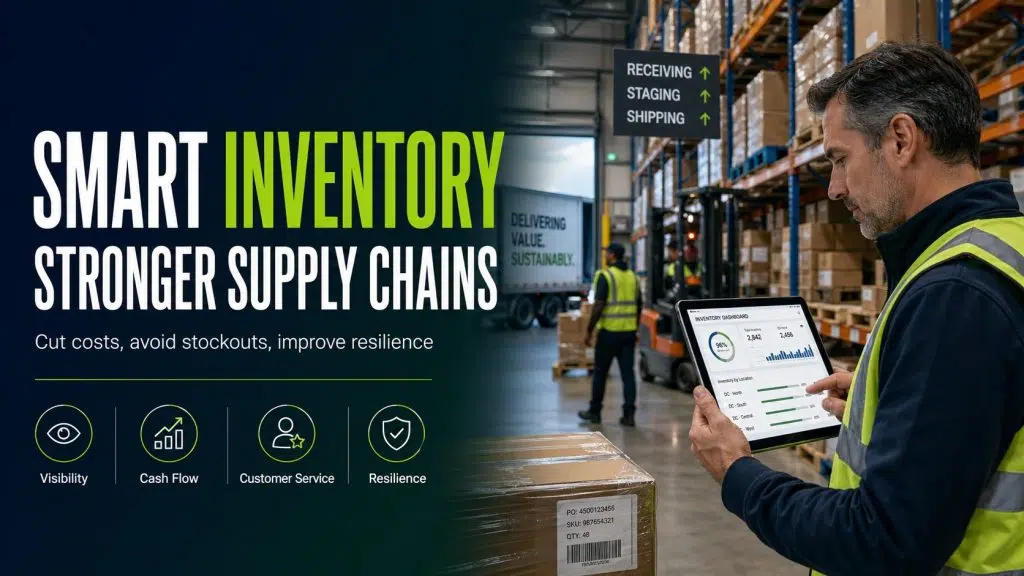
The modern supply chain industry is evolving rapidly, driven by technological advancements, global trade expansion, and increasing customer expectations. Businesses today require professionals who can efficiently manage inventory, optimize stock levels, and ensure smooth product movement across the supply chain. As a result, enrolling in an Inventory Management Course Online has become one of the most effective ways to build the skills needed for a successful career in logistics, warehousing, retail, and supply chain management.
Inventory management is no longer limited to tracking products in a warehouse. It is a strategic business function that directly impacts operational efficiency, customer satisfaction, and profitability. This is why inventory management skills are highly valued across industries and why professionals are increasingly seeking specialized training to stay competitive in the job market.
Understanding the Importance of Inventory Management
Inventory is one of the most valuable assets for many businesses. Managing it effectively ensures that products are available when customers need them while avoiding excess stock that ties up capital and increases storage costs.
Poor inventory management can lead to:
- Stock shortages and lost sales
- Overstocking and unnecessary expenses
- Product obsolescence and wastage
- Delayed deliveries
- Reduced customer satisfaction
An Inventory Management Course Online teaches learners how to balance inventory levels, maintain accurate records, and support efficient supply chain operations. These skills are critical for businesses aiming to remain competitive in today’s fast-paced marketplace.
How Inventory Management Skills Improve Efficiency
Efficiency is at the heart of successful supply chain management. Inventory professionals play a key role in ensuring that products move smoothly from suppliers to customers.
An online inventory management course helps learners develop practical skills such as:
Accurate Inventory Tracking
Modern businesses rely on real-time inventory visibility. Professionals learn how to monitor stock levels, update records, and prevent discrepancies that can disrupt operations.
Demand Forecasting
Understanding customer demand is essential for maintaining optimal inventory levels. Courses teach forecasting techniques that help businesses plan inventory requirements more accurately.
Warehouse Optimization
Efficient warehouse operations reduce handling time, improve storage utilization, and increase productivity. Inventory management training covers warehouse organization and inventory control techniques.
Inventory Planning
Learners gain knowledge of reorder points, safety stock calculations, and procurement planning, ensuring products are available when needed without overstocking.
By mastering these skills, professionals contribute to faster operations, improved service levels, and greater organizational efficiency.
How Inventory Management Helps Reduce Business Costs
One of the primary goals of inventory management is cost reduction. Poor inventory practices can result in significant financial losses for businesses.
An Inventory Management Training Course teaches strategies that help organizations reduce costs through:
Minimizing Excess Inventory
Holding too much stock increases storage expenses, insurance costs, and the risk of product obsolescence. Effective inventory planning prevents unnecessary stock accumulation.
Reducing Stockouts
Inventory shortages can lead to lost revenue and dissatisfied customers. Proper inventory control ensures products remain available to meet demand.
Lowering Wastage
Industries dealing with perishable or time-sensitive products benefit from inventory techniques such as FIFO (First In, First Out) and FEFO (First Expiry, First Out), which help minimize waste.
Improving Cash Flow
Inventory ties up working capital. Efficient stock management allows businesses to invest resources more effectively and improve financial performance.
Professionals who understand these cost-saving strategies become valuable assets to employers seeking operational excellence.
Growing Career Opportunities in Supply Chain Management
The demand for skilled inventory and supply chain professionals continues to grow across various sectors. Businesses increasingly recognize that efficient inventory management directly impacts profitability and customer satisfaction.
Completing an Inventory Management Course Online can open doors to roles such as:
- Inventory Executive
- Inventory Analyst
- Warehouse Supervisor
- Store Manager
- Supply Chain Coordinator
- Procurement Executive
- Logistics Executive
- Operations Manager
- Inventory Control Specialist
These positions are available in industries including retail, e-commerce, manufacturing, pharmaceuticals, logistics, wholesale distribution, and FMCG companies.
As organizations continue to digitize supply chain operations, professionals with inventory management expertise and technology skills are becoming even more valuable.
Benefits of Learning Inventory Management Online
Online learning offers flexibility and accessibility for students, working professionals, and business owners.
Some key advantages include:
Learn at Your Own Pace
Online courses allow learners to study according to their schedules without disrupting work or personal commitments.
Practical Industry-Relevant Knowledge
Many courses include real-world examples, case studies, and software-based training that reflect current industry practices.
Career Advancement Opportunities
Adding inventory management skills to your resume can improve employability and support career progression into higher-level supply chain roles.
Cost-Effective Learning
Compared to traditional classroom programs, online courses often provide affordable access to quality education and certification.
Why Employers Value Inventory Management Skills
Organizations today seek professionals who can improve efficiency, reduce costs, and support business growth. Inventory management skills demonstrate an individual’s ability to manage resources effectively and make data-driven decisions.
Professionals trained in inventory management can help businesses:
- Improve order fulfillment rates
- Maintain optimal stock levels
- Reduce inventory-related losses
- Enhance customer satisfaction
- Strengthen supply chain performance
These capabilities make inventory management expertise a highly desirable skill in the modern workforce.
Conclusion
As supply chains become increasingly complex, the importance of inventory management continues to grow. Businesses need skilled professionals who can manage stock efficiently, reduce operational costs, and support seamless supply chain operations.
An Inventory Management Course Online equips learners with practical inventory control techniques, warehouse management knowledge, demand forecasting skills, and cost-reduction strategies. These competencies not only improve business performance but also create rewarding career opportunities across multiple industries.
Whether you are a student, working professional, entrepreneur, or aspiring supply chain specialist, investing in inventory management training can be a valuable step toward building a successful and future-ready career in supply chain management.
