

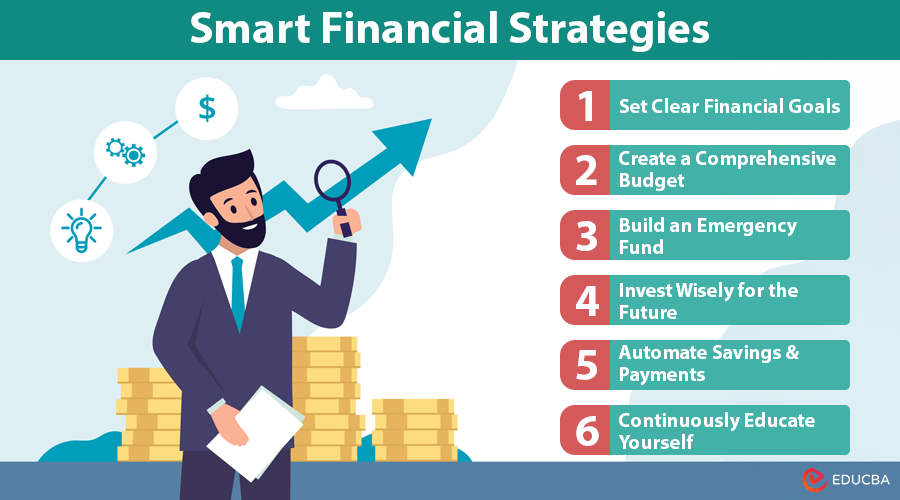
Financial stability and growth are goals that resonate with everyone, regardless of career stage or income level. Smart financial planning empowers individuals to make informed decisions, optimize resources, and build long-term wealth. By understanding core principles of budgeting, investing, and risk management, anyone can take meaningful steps toward financial security and success.
Finance is not just about numbers it’s about strategy, discipline, and forward-thinking decisions. Developing a holistic approach allows individuals to meet short-term needs while simultaneously preparing for long-term goals, whether that includes buying a home, funding education, or planning for retirement.
Budgeting: The Foundation of Financial Success
Effective financial planning begins with a clear understanding of income and expenses. Creating a comprehensive budget helps track spending, identify opportunities to save, and prioritize financial goals. Budgeting also provides insight into patterns that may impact long-term planning, such as recurring expenses or discretionary spending.
A well-structured budget doesn’t limit freedom; instead, it empowers better decision-making and financial confidence. Individuals who regularly monitor their finances can adjust their strategies proactively, ensuring that resources are allocated to areas that offer the most impact.
This guide on the best timeshare exit company provides useful information for owners who want to explore reliable ways to exit their timeshare.
Investing for Growth
Once a budget is in place, investing is a key strategy for wealth creation. Investments allow money to work over time, generating returns that outpace inflation and build financial security. Diversifying investments across stocks, bonds, mutual funds, or real estate can reduce risk while maximizing growth potential.
Understanding risk tolerance, market trends, and investment goals is crucial. Starting early and contributing consistently often leads to significant benefits over time, highlighting the importance of patience and strategic thinking. By combining discipline with informed investment decisions, individuals can achieve meaningful wealth accumulation.
Emergency Funds and Risk Management
Financial planning isn’t complete without preparing for unforeseen events. Building an emergency fund ensures that unexpected expenses from medical bills to urgent repairs don’t derail long-term financial goals. A recommended approach is to maintain three to six months’ worth of living expenses in a liquid, easily accessible account.
Additionally, insurance and risk management strategies protect individuals from financial setbacks. Health, life, and property insurance are essential tools that safeguard assets and provide peace of mind, allowing individuals to focus on growth rather than worry about potential losses.
For those considering ending their timeshare, this resource on timeshare cancellation offers practical steps and helpful insights to make the process easier.
Planning for Major Life Goals
Financial planning extends beyond day-to-day management. Individuals should consider their long-term objectives, such as purchasing a home, funding higher education, or preparing for retirement. Breaking down these goals into achievable milestones helps maintain focus and provides a clear roadmap for action.
Tools like retirement accounts, college savings plans, and long-term investment portfolios support these objectives. By planning ahead, individuals can take advantage of compounding growth and strategic opportunities, making ambitious financial goals attainable.
Monitoring Progress and Adjusting Strategies
Regularly reviewing financial plans ensures that they remain aligned with evolving goals and circumstances. Life changes, market fluctuations, and personal priorities can all impact financial strategy. Monitoring progress allows individuals to adjust budgeting, investing, and risk management approaches accordingly.
This proactive approach not only helps avoid potential pitfalls but also ensures steady progress toward financial independence and long-term wealth creation.
Conclusion: Take Charge of Your Financial Future
Smart financial planning is a journey, not a one-time task. By budgeting effectively, investing wisely, preparing for emergencies, and planning for major life goals, individuals can create a solid foundation for financial success. Regularly reviewing and adjusting strategies ensures continued growth and security.
Taking control of personal finances empowers individuals to make informed decisions, achieve their goals, and build lasting wealth. Financial literacy, discipline, and forward-thinking planning are the keys to turning aspirations into reality and securing a prosperous future.
