

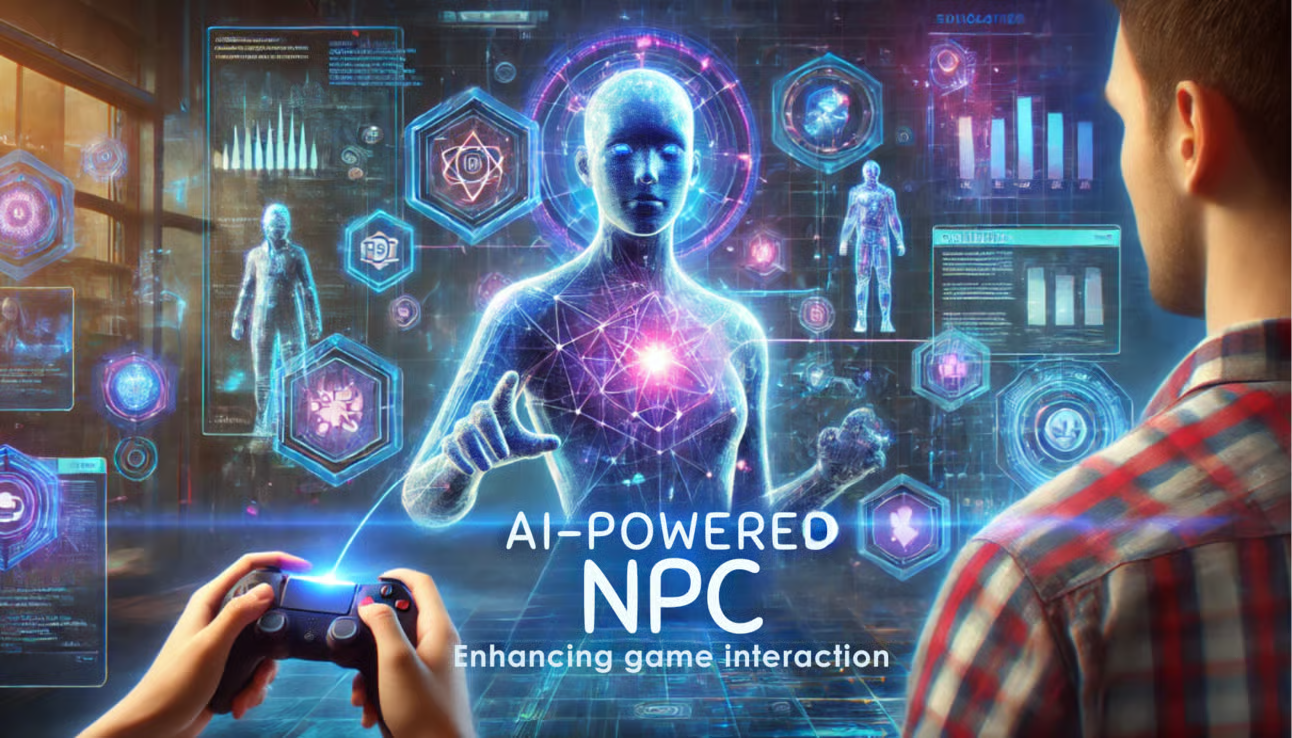
When you think back to your earliest experiences in online games, what were NPCs like? Chances are, they stood in one place, offered a line or two of pre-scripted dialogue, and repeated themselves endlessly no matter how many times you visited. They were static figures—tools for quests or vendors at best, lifeless mannequins at worst. But fast forward to 2025, and something remarkable is happening. Non-playable characters (NPCs) are no longer just background filler—they’re becoming dynamic, reactive, and surprisingly human, thanks to Artificial Intelligence. AI isn’t just enhancing NPCs; it’s transforming them into immersive storytellers, emotional responders, and even social companions. And players are taking notice. In fact, AI-driven NPCs may be one of the biggest game-changers in online gaming right now, quietly revolutionising the very nature of interaction and narrative. So, how is this shift happening? And what does it mean for the future of your favourite multiplayer titles, from open-world epics to your late-night slot game session or weekend pkv qq game with friends? Let’s explore.
The Death of Predictability: NPCs that Learn and Evolve
Gone are the days of looping dialogue and stiff responses. Today’s AI-powered NPCs are designed to learn from interactions, adapt to your choices, and even evolve their personalities over time. This has been made possible by combining machine learning with natural language processing (NLP). Instead of simply reacting based on pre-programmed options, these NPCs can now interpret player input, gauge sentiment, and offer contextual responses. Imagine entering a fantasy town and having the local blacksmith remember that you helped him weeks ago in a previous quest. Not just a passing mention—but a conversation that reflects real memory and emotional recognition. This sense of continuity makes players feel seen, valued, and immersed. In competitive or casual environments like a themed slot game with an AI host guiding players, this technology adds layers of personality and engagement that were once impossible. The predictability of NPCs used to be comforting. Now, it’s their unpredictability—grounded in realism—that keeps players hooked.
From Scripted to Smart: Dynamic Storytelling Through NPCs
Storytelling in games has always been a mix of environment, plot, and character. NPCs are essential to this blend, serving as narrators, witnesses, and fellow adventurers. But the traditional approach—pre-written dialogue and fixed outcomes—limits how flexible the game can be. Enter AI. With generative AI models and real-time processing, NPCs can now spin stories on the fly, shaped by your actions. You might tell an AI-powered town elder about your journey, and instead of just nodding politely, they could craft a local legend around your deeds, influencing other characters’ perception of you. This creates a ripple effect where player choices have deep narrative impact. Imagine a futuristic sci-fi MMORPG where each player’s journey is different not because the quests are randomized, but because the NPCs respond uniquely to the player’s history. And this isn’t confined to story-heavy RPGs. Even in a poker game, AI NPCs can add banter, bluff reactions, or witty comebacks that evolve based on how often you play with them—turning a simple match into a memorable social experience.
AI Empathy: How Emotional Intelligence is Making NPCs Feel Real
What sets human interactions apart is empathy—the ability to understand and respond to emotion. AI developers are working hard to bring that same depth to NPCs using sentiment analysis and contextual understanding. For example, if your character loses a key item or suffers a major defeat, an NPC friend might offer encouragement or a quest to help you recover. Conversely, if you’ve just conquered a massive boss or won a challenging game, they might offer praise or jokes about your new fame. This isn’t just fluff—it’s emotional architecture. Players form attachments, feel more immersed, and often come back to games where the world acknowledges their journey. In multiplayer worlds, especially MMOs or cooperative online games, this kind of reactive emotion brings a whole new level of believability. Even in a visually simple postogel game, having an AI dealer or character who responds with excitement when you hit a jackpot or teases you after a loss makes the experience richer and more personal. And in poker games, emotional intelligence AI can simulate opponent behaviors based on your patterns, making each session feel like a true duel of wits.
Player Behavior Tracking: Personalized Experiences Based on AI Insights
One of the more subtle but powerful ways AI is changing NPCs lies in behavioral tracking. By analyzing how players interact with the game—what choices they make, how often they engage with certain NPCs, their play style, and even their typing tone—AI systems can create deeply tailored NPC interactions. Think of it as Netflix recommendations but inside a fantasy realm. If you consistently play with stealth and avoid combat, NPCs might start referring to you as a ghost or shadow. If you always take the violent route, characters may show fear or even avoid you. Over time, this kind of feedback loop makes every interaction feel earned and personal. And yes, it’s already making its way into casual formats too. Some modern slot games now analyze user betting styles and offer AI-powered guides or companions that provide hints or in-game commentary customized to your past behavior. The more you play, the more the NPC becomes familiar with your habits, offering a pseudo-friendship dynamic that encourages longer engagement.
Multilingual and Inclusive NPCs: Breaking Cultural Barriers with AI
Language has always been a barrier in online games with global audiences. But AI is solving that too. Natural Language Processing and machine translation tools are empowering NPCs to interact in multiple languages, often detecting the player’s language preference and adjusting accordingly. For players in multicultural guilds or those exploring global versions of a game, this opens doors to far richer interaction. NPCs can now recognize idioms, regional phrases, and cultural nuances, making them feel more native and approachable to each player. This inclusivity is not just about accessibility—it’s about belonging. When a game character greets you in your own language or uses slang that feels local, it creates a connection that goes beyond gameplay mechanics. Whether you’re chatting with a bartender in a medieval village or an AI host in a sleek cyber-themed slot game, this personalization is what turns casual players into loyal fans.
Combatting Repetition and Grinding with AI-Driven Content Generation
One of the major pain points in online games has always been repetition—grinding the same quests, listening to the same lines, and farming the same resources. AI is combating this by generating fresh dialogue, new missions, and randomized yet logical story arcs. This not only relieves developer load but dramatically improves player satisfaction. Imagine entering a dungeon and having an NPC create a unique storyline each time based on world events, party composition, and your character’s history. Suddenly, every run feels different. This applies outside RPGs too. In some advanced online poker games, AI-powered dealers now change their personalities over time, introducing new styles of hosting, subtle tells, and strategy hints to keep things fresh. Similarly, in themed slot games, AI generates rotating storylines or game modes that adapt to the player’s mood or progress, turning a repetitive mechanic into an evolving experience.
Voice and Visual Realism: The Final Layer of Immersion
AI isn’t just improving what NPCs say—it’s enhancing how they sound and look too. With text-to-speech advancements and deep learning voice synthesis, game characters now speak in natural, emotionally inflected voices that respond in real-time. Add in facial animation driven by emotion-detection AI, and you have NPCs who can react with facial expressions, gestures, and tone—all tuned to the context of your interaction. This makes conversations feel alive. You’re not just reading lines; you’re engaging with digital beings. In competitive and casual environments alike—be it a poker game in a virtual casino or a fantasy adventure with branching paths—this realism is crucial for immersion. You start treating NPCs less like functions and more like characters, which deepens player engagement and narrative investment.
The Ethical Frontier: AI and the Responsibility of NPC Design
With all the advancements come ethical questions: Should NPCs be too lifelike? Can players form unhealthy attachments? How do we ensure that AI interactions remain respectful, inclusive, and transparent? Game developers are grappling with these concerns, incorporating safeguards like content filters, player consent options for emotionally heavy dialogue, and clear boundaries between AI and real players. While AI-driven NPCs can boost immersion, they also carry psychological weight. For instance, in some online poker game platforms, players spend hours with AI avatars who feel like real people—sometimes preferring them over human opponents. Slot games, too, use AI to build trust and familiarity, which can be powerful but must be handled responsibly. Developers now walk a fine line between enhancing the player experience and ensuring it doesn’t veer into emotional manipulation or addictive design.
Conclusion: The Future Is Already Here, and It’s Talking Back
NPCs used to be forgotten characters on the fringes of the game world. Not anymore. Thanks to AI, they’re stepping into the spotlight—speaking with intelligence, reacting with emotion, and evolving with purpose. Whether you’re solving a complex mystery in an MMORPG, unwinding with a lively slot game, or engaging in a tense online poker game, AI-driven NPCs are enriching the experience in ways we never imagined a decade ago. This isn’t just a technical upgrade; it’s a fundamental shift in how we play, connect, and feel inside virtual worlds. And as AI continues to advance, we’re only scratching the surface of what’s possible. One day soon, you won’t just play a game—you’ll live in it, talk to it, and be remembered by it.
