

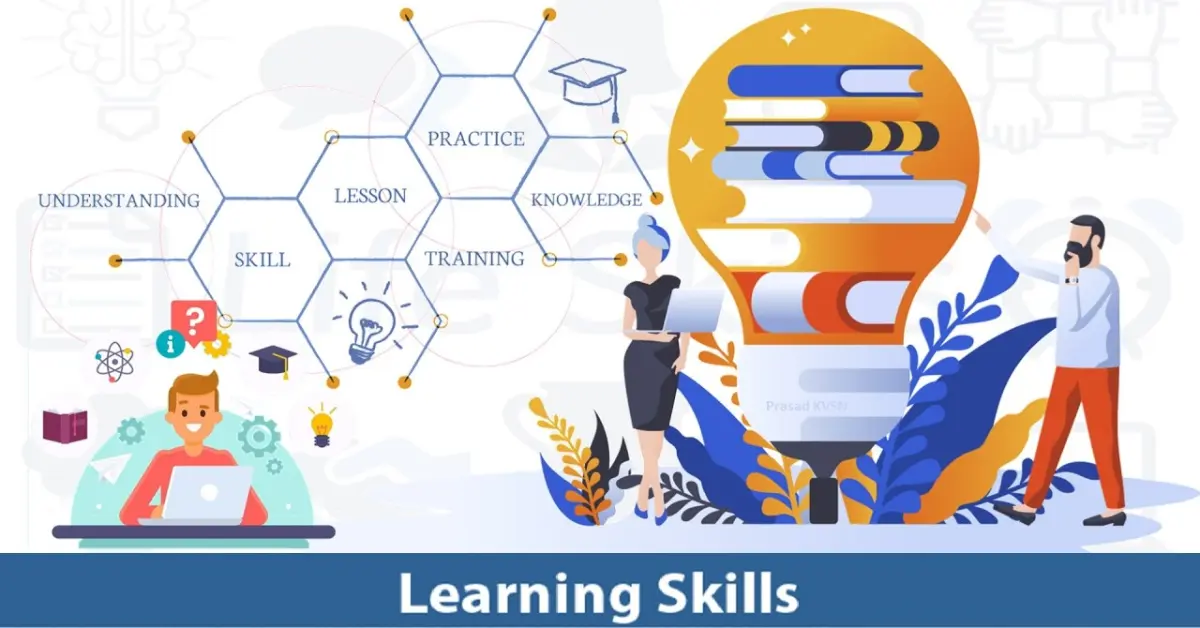
Introduction
Fundamental Paper Education (FPE) refers to the traditional method of learning through books, printed notes, and written examinations. It forms the foundation of how knowledge has been passed down for centuries. Unlike modern digital tools, paper education emphasizes handwriting, reading physical texts, and practicing problem-solving on paper—skills that sharpen memory and understanding.
The importance of Fundamental Paper Education – Build Strong Learning Skills goes beyond classrooms. It trains students to focus, retain information, and develop critical thinking, which is essential for both academic success and professional growth. Even in today’s digital world, FPE continues to be a vital pillar of learning, combining discipline with deep comprehension.
What is Fundamental Paper Education (FPE)?
Fundamental Paper Education (FPE) is the basic system of learning where students rely on paper-based resources such as textbooks, handwritten notes, assignments, and examinations. It focuses on developing a strong foundation of knowledge through traditional methods rather than depending solely on digital tools.
The term paper education highlights the idea that the written word—whether in books, research papers, or essays—has always been the backbone of education. Before the rise of digital platforms, this was the primary way to study, analyze, and share knowledge.
In simple terms, FPE helps learners build essential skills like concentration, comprehension, and writing ability. These skills remain valuable today because they encourage a deeper understanding of concepts compared to the fast-paced, distraction-heavy digital environment.
Importance of Paper Education in Today’s World

Even in an age dominated by technology, paper education continues to play a crucial role in shaping how people learn. While digital tools make information accessible within seconds, the fundamental paper education (FPE) approach ensures deeper learning and long-term knowledge retention.
Here are a few reasons why paper education remains important today:
- Better Focus and Concentration – Writing on paper reduces distractions compared to studying on screens filled with notifications.
- Improved Memory Retention – Studies show that taking notes by hand helps students remember concepts more effectively.
- Development of Critical Skills – FPE nurtures problem-solving, analytical thinking, and writing skills, which are essential in academic and professional life.
- Universal Accessibility – Books, notes, and printed materials don’t require internet or electricity, making paper education accessible anywhere.
In short, while digital education is growing rapidly, fundamental paper education still provides the foundation that strengthens learning habits and ensures students grasp concepts more effectively.
FPE in Academic and Professional Life
Fundamental Paper Education (FPE) is not just about learning in schools—it also has a strong impact on academic success and professional development. From early education to higher studies, the skills gained through paper education help individuals build a strong base that carries into their careers.
In Academics:
Students who practice writing, solving problems, and preparing notes on paper often perform better in exams. The process of reading and rewriting information helps them understand topics more deeply, which is why many universities still rely on FPE methods alongside digital tools.
In Professional Life:
In the workplace, the ability to think critically, analyze data, and organize thoughts clearly often comes from habits developed through paper education. Writing reports, planning projects, or even brainstorming ideas on paper can boost creativity and accuracy.
Knowledge Retention:
Unlike quick digital skimming, FPE encourages careful study, making professionals more detail-oriented and effective in their roles.
In short, fundamental paper education builds a bridge between learning in classrooms and applying that knowledge in real-world professional settings.
FPE in Academic and Professional Life
Fundamental Paper Education (FPE) is not just about learning in schools—it also has a strong impact on academic success and professional development. From early education to higher studies, the skills gained through paper education help individuals build a strong base that carries into their careers.
- In Academics:
Students who practice writing, solving problems, and preparing notes on paper often perform better in exams. The process of reading and rewriting information helps them understand topics more deeply, which is why many universities still rely on FPE methods alongside digital tools. - In Professional Life:
In the workplace, the ability to think critically, analyze data, and organize thoughts clearly often comes from habits developed through paper education. Writing reports, planning projects, or even brainstorming ideas on paper can boost creativity and accuracy. - Knowledge Retention:
Unlike quick digital skimming, FPE encourages careful study, making professionals more detail-oriented and effective in their roles.
In short, fundamental paper education builds a bridge between learning in classrooms and applying that knowledge in real-world professional settings.
Challenges and Modern Alternatives
While fundamental paper education (FPE) has shaped generations of learners, it also comes with certain challenges in today’s fast-moving digital world.
Challenges of Paper Education:
- Limited Accessibility: Printed books and notes can be expensive and harder to update compared to online resources.
- Storage Issues: Managing stacks of books, papers, and files can be difficult for both students and institutions.
- Environmental Concerns: High usage of paper contributes to deforestation and environmental stress.
- Slower Information Sharing: Unlike digital platforms, paper-based learning takes more time to distribute and access.
Modern Alternatives to FPE:
- E-Learning Platforms: Online courses and digital libraries provide instant access to updated information.
- Interactive Tools: Apps and software make learning more engaging with videos, quizzes, and simulations.
- Hybrid Learning: Many institutions now combine paper education with digital methods to balance tradition and innovation.
Although these alternatives are efficient, the fundamental paper education system still holds value as it develops focus, discipline, and comprehension skills that digital learning alone may not provide.
Tips to Make the Most of Fundamental Paper Education

Even in a digital era, students and professionals can maximize the benefits of paper education by following a few simple strategies:
- Organize Notes Effectively – Use notebooks, folders, or binders to keep all written materials in order.
- Practice Regularly – Writing and revising regularly strengthens memory and understanding.
- Combine with Visuals – Incorporate diagrams, charts, and mind maps on paper to make learning more interactive.
- Set a Study Schedule – Allocate specific times for paper-based learning to improve focus and discipline.
- Review and Reflect – Regularly reviewing notes helps retain knowledge and identify areas needing improvement.
These small habits enhance the impact of fundamental paper education (FPE) and ensure learners get the most out of traditional study methods.
Future of Fundamental Paper Education
Despite the rise of e-learning and digital classrooms, fundamental paper education is unlikely to disappear anytime soon. The future of FPE may involve:
- Hybrid Learning Models – Combining traditional paper methods with digital tools for a balanced approach.
- Eco-Friendly Paper Solutions – Using recycled or sustainable paper to reduce environmental impact.
- Integration in Skill Development – Incorporating FPE in professional training programs to build foundational skills.
By adapting to modern needs while preserving its core benefits, fundamental paper education will continue to play an essential role in both academics and professional development.
FAQs About Fundamental Paper Education
What is Fundamental Paper Education (FPE)?
Fundamental Paper Education (FPE) is a traditional learning method focused on books, handwritten notes, and paper-based exams. It builds strong foundations in knowledge and skills.
Why is paper education important?
Paper education improves focus, memory retention, and writing skills. It helps students understand concepts more deeply compared to digital-only learning.
What does FPE stand for?
FPE stands for Fundamental Paper Education, a system that emphasizes traditional, paper-based learning practices.
What are the benefits of fundamental paper education?
Some key benefits include improved concentration, stronger comprehension, universal accessibility, and long-lasting learning habits.
What are the drawbacks of paper education?
What are the drawbacks of paper education?
Challenges include higher paper usage (environmental concerns), storage issues, slower information sharing, and limited accessibility compared to online platforms.
What does “fundamental paper education r34” mean?
The phrase often appears in search trends. While “fundamental paper education” refers to traditional learning, the “r34” tag is usually part of online searches and does not change the core meaning of FPE in an educational context.
Conclusion
Fundamental Paper Education (FPE) remains a cornerstone of learning, even in today’s digital era. By focusing on paper education, students and professionals develop better concentration, memory retention, and critical thinking skills. While modern tools like e-learning offer convenience, combining them with FPE ensures a deeper understanding and stronger academic and professional foundations.
Adapting fundamental paper education alongside digital methods creates a balanced approach to learning, preserving the benefits of traditional study while embracing technology. In the end, FPE continues to be a reliable way to build knowledge, sharpen skills, and achieve long-term success in both education and career growth.
