

Introduction
Starting your reading journey is like opening the door to a whole new world of knowledge and education. But if you’re new to books, it’s normal to feel a little lost—there are so many choices out there!
The good news is, you don’t need to start with big, complicated novels. In fact, the best way to fall in love with reading is to pick books that are simple, engaging, and enjoyable from the very first page.
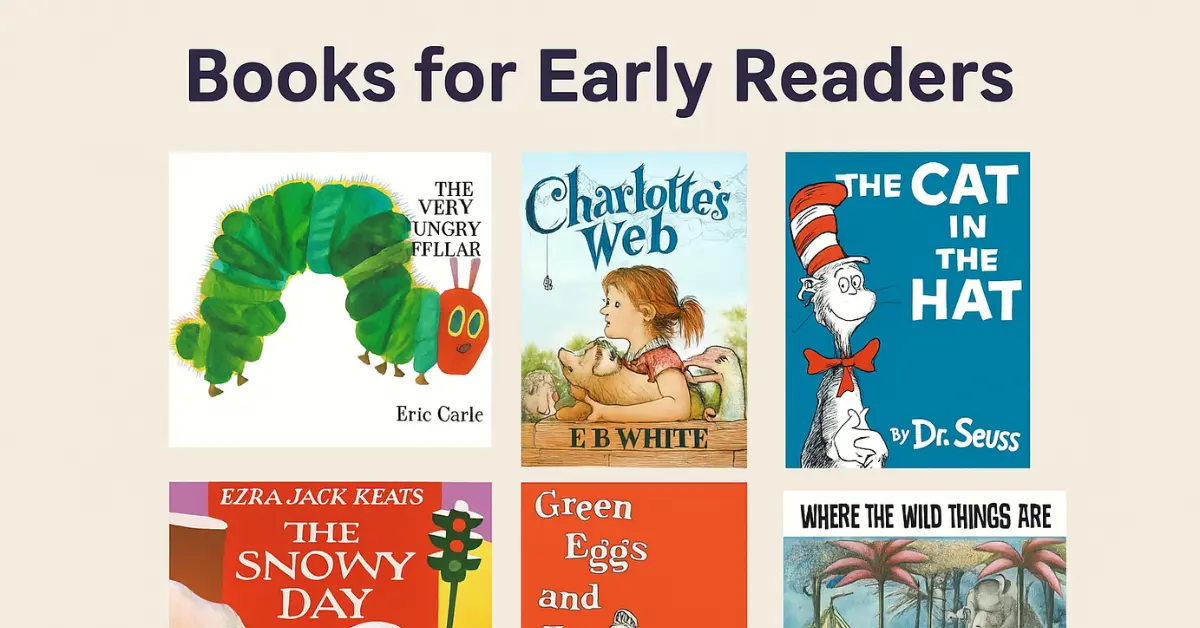
In this guide, we’ll explore some of the Books for Early Readers—stories that are easy to follow, packed with meaning, and guaranteed to keep you turning the pages. Whether you like inspiring life lessons, exciting adventures, or practical self-help, there’s something here for everyone.
Why Choosing the Right First Book is Important

Starting your reading journey with the right book can make all the difference. Just like your first step in a new hobby, your first book shapes how you feel about reading. Here’s why it matters:
Builds Reading Confidence
- A simple, enjoyable book helps you feel successful right away.
- You’ll be more motivated to keep reading if your first experience is positive.
Makes Reading Enjoyable
- The right book grabs your attention from the start.
- It turns reading into a fun and relaxing activity, not a boring task.
Helps You Form a Habit
- When you enjoy your first book, you’ll naturally want to pick up another.
- This consistent enjoyment can turn into a daily reading habit.
Reduces Overwhelm
- Beginners can get discouraged with books that are too long or complex.
- The right starting point keeps things simple and manageable.
Encourages Exploration
- Once you’ve enjoyed your first book, you’ll be curious to try other genres.
- This opens the door to discovering what kind of reader you really are.
More Alternative Links for You :
How to Start an Online Tutoring Business in 2025
Online Tutoring Jobs for Teens in 2025 – Best Platforms,Tips
What is Education – Definition Types And Importance
Factors to Consider When Choosing a First Book
Not every book is a good fit for beginners. Your first reading experience should be smooth, engaging, and enjoyable. Here are a few things to keep in mind before picking your starting point:
Length of the Book
- Choose books under 150–250 pages to avoid feeling overwhelmed.
Shorter books give you a sense of achievement faster
- Language and Writing Style
- Look for simple, easy-to-follow language with short sentences.
- Avoid books that use heavy jargon or complex vocabulary.
Story Engagement
- The book should hook you from the first chapter.
- Avoid slow, overly detailed openings that take too long to get interesting.
Genre You Enjoy
- Start with topics you already love—fantasy, romance, mystery, or self-help.
- If you like the subject, you’re more likely to finish the book.
Readability
- Large fonts, clear formatting, and well-spaced paragraphs make reading easier.
- Consider beginner-friendly editions or illustrated versions.
Recommendations
- Ask friends, join reading groups, or check beginner book lists.
- Books loved by many beginners are usually safe starting points.
.Builds Reading Confidence
- When you’re new to reading, your first book is like your first step into a new world. If that first step feels easy and enjoyable, you’ll believe in yourself as a reader.
- Completing a book feels like an achievement. It gives you a sense of pride and encourages you to read more.
- Easy language and short length make the reading process smooth, so you don’t get stuck or frustrated.
- Positive first experiences help you see reading as something you can succeed at, not something too hard or only for bookworms.
Makes Reading Enjoyable
The fastest way to fall in love with reading is to actually enjoy the experience right from the start. Many new readers give up too quickly because they begin with books that are too complicated, slow, or just not their style. That’s why choosing a beginner-friendly book is so important—it allows you to relax, have fun, and discover the joy of getting lost in a story.
When a book is enjoyable
- You stay curious about what will happen next. A good first book pulls you into its world from the very first page. You’ll want to keep reading just to see how it ends.
- You connect with the characters and events. Relatable characters and realistic emotions make the story feel alive and personal, even if it’s set in a completely different world.
- The language flows easily. Simple words and clear sentences mean you don’t have to stop every few minutes to figure out what’s going on. You can just sit back and enjoy the ride.
- Chapters feel manageable. Short chapters give you small wins, helping you feel like you’re making progress without any pressure.
- Reading becomes a treat, not a chore. You’ll start looking forward to picking up your book, whether it’s for 10 minutes before bed or a quiet hour on the weekend.
- When your very first reading experience is fun and satisfying, you naturally start to see books as something exciting rather than intimidating. That positive feeling becomes the spark that leads to a lifelong love of reading.
Helps You Form a Habit
One of the biggest keys to becoming a lifelong reader is turning reading into a habit—something you do naturally, just like drinking water in the morning or checking your phone before bed. But habits don’t just appear overnight; they’re built slowly, through small, repeated actions.
If your first reading experience is enjoyable, you’ll naturally want to come back to it. That feeling of “I can’t wait to see what happens next” is exactly what builds consistency. And consistency is the foundation of every good habit.
Here’s how the right book helps you make reading a daily routine:
- It gives you something to look forward to. A great story or an inspiring message creates excitement. You’ll start thinking about your book throughout the day and look forward to those quiet reading moments.
- It encourages small, easy steps. You don’t need to read for hours to form a habit. Even 10–15 minutes a day is enough—especially if the story is engaging enough to make you want more.
- It fits into your lifestyle. Short chapters and easy-to-follow writing make it simple to read during lunch breaks, before bed, or while commuting.
- Progress boosts motivation. Each chapter you finish feels like an achievement. This sense of progress is addictive in the best way—it pushes you to keep going.
- It replaces unproductive habits. Many new readers find that once they enjoy a book, they spend less time on endless scrolling or binge-watching shows, because reading feels more rewarding.
Reduces Overwhelm
One of the biggest reasons people give up on reading—especially in the beginning—is feeling overwhelmed. This often happens when you start with a book that’s too long, too complex, or too slow. You pick it up with excitement, but after a few pages, you start to feel lost, confused, or even bored.
That’s why choosing the right first book is so important—it helps you avoid that sense of pressure and keeps reading light and enjoyable.
- Shorter length means less pressure. A 200-page book feels more achievable than a 600-page epic. You can finish it faster, which boosts confidence.
- Simple language makes reading smooth. Easy-to-understand words let you focus on the story instead of struggling with complicated vocabulary.
- Fast pacing keeps your interest alive. A book with action, relatable moments, or emotional highs will keep you turning pages instead of staring at them.
- Clear structure guides you through. Short chapters, clear headings, and well-organized storytelling make it easier to follow along.
- You enjoy the process, not just the end goal. Instead of counting pages until you’re done, you’ll actually look forward to each reading session.
- When you’re not overwhelmed, you’re more likely to finish your first book—and that success sets the tone for the rest of your reading journey. Instead of thinking, “Reading is hard,” you’ll think, “Reading is fun, and I can do this.”
Encourages Exploration
One of the most exciting things about starting your reading journey is discovering just how many worlds, ideas, and perspectives are out there. Choosing the right first book isn’t just about enjoying that single story—it’s about opening the door to many more stories you’ll want to explore.
When your first book leaves you feeling inspired, curious, or emotionally connected, it naturally makes you wonder, “What else is out there?” This curiosity is what turns casual readers into lifelong book lovers.
Here’s how the right book encourages exploration:
- It sparks curiosity for other genres. If you enjoyed your first mystery novel, you might try thrillers. If a fantasy book fascinated you, you might explore science fiction next.
- It helps you discover your preferences. You might realize you love character-driven stories, historical settings, or self-improvement books.
- It builds confidence to try more complex reads. Once you’ve successfully finished an easy, enjoyable book, you’ll feel ready to challenge yourself with slightly longer or deeper ones.
- It leads you to new authors and styles. Loving one author often makes you want to explore their other works or find similar writers.
- It opens up new ways of thinking. Each book offers fresh ideas, cultures, and perspectives—broadening your understanding of the world.
Encourages Exploration
One of the most exciting things about starting your reading journey is discovering just how many worlds, ideas, and perspectives are out there. Choosing the right first book isn’t just about enjoying that single story—it’s about opening the door to many more stories you’ll want to explore.
When your first book leaves you feeling inspired, curious, or emotionally connected, it naturally makes you wonder, “What else is out there?” This curiosity is what turns casual readers into lifelong book lovers.
- It sparks curiosity for other genres. If you enjoyed your first mystery novel, you might try thrillers. If a fantasy book fascinated you, you might explore science fiction next.
- It helps you discover your preferences. You might realize you love character-driven stories, historical settings, or self-improvement books.
- It builds confidence to try more complex reads. Once you’ve successfully finished an easy, enjoyable book, you’ll feel ready to challenge yourself with slightly longer or deeper ones.
- It leads you to new authors and styles. Loving one author often makes you want to explore their other works or find similar writers.
- It opens up new ways of thinking. Each book offers fresh ideas, cultures, and perspectives—broadening your understanding of the world.
Sparks Enjoyment
The most important reason to choose the right first book is simple—it should make you enjoy reading. If your first reading experience is dull, confusing, or feels like homework, you’ll probably lose interest before you’ve even given books a fair chance. But when your first book is fun, relatable, and easy to follow, it lights a spark that can grow into a genuine love for reading.
- It grabs your attention quickly. The opening chapters are engaging enough to pull you in and make you curious about what will happen next.
- It makes you connect with the characters. When you care about the people in the story, you feel emotionally invested in their journey.
- The language is smooth and easy. You can relax and enjoy the story without constantly pausing to understand complicated words or long, dense sentences.
- The pacing keeps you hooked. The story moves at just the right speed—no long, boring stretches that make you put the book down.
- It feels like a personal escape. Whether you’re curled up in bed or reading in a café, a good book transports you into a new world where you can forget stress for a while.
When reading is enjoyable, it stops feeling like an obligation and starts feeling like a treat—something you look forward to every day. That first spark of enjoyment is what keeps you turning pages and makes you want to pick up your next book as soon as you finish the first one.
Step-by-step guide to start reading for new readers
- Know Your Purpose – Decide why you want to read (relax, learn, enjoy stories).
- Pick a Genre You Like – Start with topics you already enjoy.
- Set a Small Goal – Read 10–15 minutes a day or one short chapter.
- Choose an Easy Book – Go for short, engaging books with simple language.
- Create a Reading Spot – Pick a quiet, comfortable place.
- Read Without Pressure – Enjoy the story; don’t worry about speed.
- Switch if Needed – If you don’t like a book, try another.
- Celebrate Progress – Mark your milestones and reward yourself.
- Explore More – Try new authors and genres once you finish 2–3 books.
Advantages
- Builds Confidence – Easier books help you finish faster, boosting motivation.
- Reduces Overwhelm – Simple language and shorter length make reading less intimidating.
- Encourages Consistency – Enjoyable books make it easier to read daily.
- Improves Focus – Beginner-friendly stories are easier to follow, helping you stay engaged.
- Opens the Door to Exploration – Once you enjoy one book, you’re more likely to try others.
- Better Comprehension – Clear writing helps you understand and enjoy the story without constant confusion.
Disadvantages
- Limited Challenge – Too many easy books may slow skill improvement.
- Narrow Exposure – You might stick to one genre or style and miss out on variety.
- Over-dependence on Simplicity – May make transitioning to complex books harder.
- Possible Lack of Depth – Some beginner books may have simpler plots or themes.
- Risk of Boredom – If a book feels too basic, you might lose interest.
Frequently Asked Questions
I new to reading. Where should I start?
tart with short, simple, and engaging books in a genre you already enjoy. This makes reading easier and
How many pages should my first book have?
Around 150–250 pages is a good range for beginners. It’s long enough to enjoy but short enough to finis
What if I don’t like the book I started?
It’s okay to stop and try another one. Reading should be enjoyable, not forced.
Should I read fast or slow?
Read at your own pace. The goal is to understand and enjoy, not to rush.
How much time should I read every day?
Even 10–15 minutes a day is enough to build a reading habit.
Is it okay to read e-books or audio books?
Yes! Choose whatever format is most comfortable for you—paperback, e-book, or audio book.
How can I stay motivated to keep reading?
Pick books you’re excited about, set small goals, and celebrate when you finish.
Conclusion
Starting your reading journey is one of the best gifts you can give yourself. The right first book can make all the difference—it can inspire you, entertain you, and open the door to a lifetime of learning and imagination.
When you choose a book that’s easy to follow, engaging, and enjoyable, you’re setting yourself up for success. It helps you build confidence, form a habit, and discover the joy that comes from getting lost in a good story. And once you’ve felt that joy, you’ll want to explore more genres, meet new authors, and keep turning pages.
So, don’t stress over finding the “perfect” book—just pick one that excites you, sit back, and let the journey begin. Who knows? The first book you read might just change your life.
Pro Tips for New Readers
Start with topics you love – If you enjoy cooking, sports, or travel, find books on those themes.
- Don’t aim for perfection – It’s okay to skip hard words or confusing parts in the beginning.
- Use bookmarks – Helps you keep track and makes reading feel more organized.
- Try different formats – Mix paperbacks, e-books, and audiobooks to see what works best for you.
- Join a reading group – Sharing thoughts with others can make reading more fun.
- Track your progress – Use a notebook or reading app to note what you’ve read.
- Avoid distractions – Put your phone aside and read in a quiet space.
- Reward yourself – Celebrate after finishing a book, even with something small like your favorite snack.
More Alternative Links for You :
How to Start an Online Tutoring Business in 2025
Online Tutoring Jobs for Teens in 2025 – Best Platforms,Tips
